Polystyrene Recycling In The UK
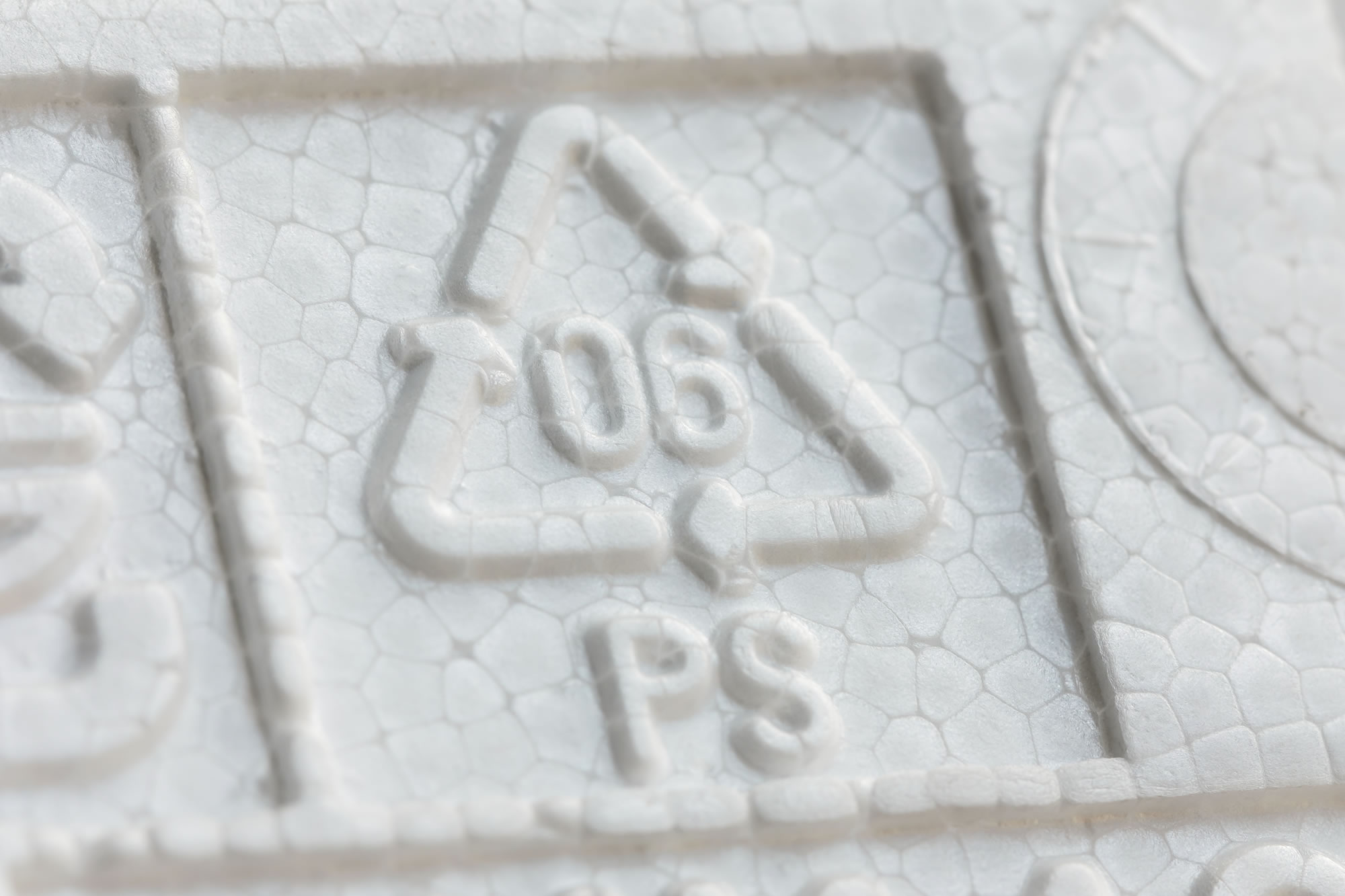
Polystyrene recycling is available in the UK, but it isn’t usually part of household bin collections. Polystyrene is light, bulky and often dirty, so it needs a specialist route. Many people call polystyrene foam “Styrofoam”, so if you want to recycle Styrofoam, this guide covers the foam packaging you’re most likely to have.
It explains what polystyrene is, why polystyrene packaging recycling is harder than for most plastics and how to recycle polystyrene properly. If you run a business, the steps below show you where to start.
But first, it can be helpful to start by defining what polystyrene is and how to identify it among waste.
What is polystyrene?
Polystyrene is a synthetic polymer made from a monomer called styrene and is used for a variety of products in all sorts of industries, including packaging, food containers and insulation. Most businesses are likely to encounter three common forms of it in their waste:
- Expanded polystyrene (EPS): the white, bead-like foam that protects electrical goods and fragile items in transit.
- Extruded polystyrene (XPS): a denser foam board used for insulation and displays.
- Solid polystyrene: the rigid plastic used for cups, trays and cases.
Knowing which form you have makes it easier to sort and store. EPS is mostly air, which is why it’s so light and so bulky, and it can take up a lot of space on site while you wait for collection. It’s also one reason polystyrene is harder to recycle than other plastics.
Note: You may also hear EPS be referred to as "Styrofoam". Strictly, Styrofoam is a brand name for extruded polystyrene insulation board, so check which form you have before you arrange collection.
Can polystyrene be recycled in the UK?
Polystyrene can be recycled in the UK, but not through standard recycling collections. In England, the Simpler Recycling guidance lists expanded and high impact polystyrene packaging, such as packing beads, as an item not typically collected with dry recycling. Councils in England do not need to collect it from households either, so it needs a specialist route.
Scotland, Wales and Northern Ireland have their own waste regulations, so check the rules with your local authority.
Where polystyrene can and can’t go
Polystyrene plastic recycling depends on the route you use:
- Household bin: not accepted in most areas.
- Household waste recycling centre: some take clean expanded polystyrene, often in limited amounts.
- Business collection: specialist collectors take larger volumes, if the material is clean, dry and kept separate from other waste.
Food-soiled trays and takeaway containers are usually rejected because of food residue, so be sure to keep them out of your polystyrene stream so you don’t contaminate a load that could otherwise be recycled.
Why is polystyrene hard to recycle?
There are many benefits that come with recycling polystyrene, including:
- Volume: EPS takes up a lot of space for very little weight, so storing and moving it costs more than most materials.
- Contamination: Food residue, tape, labels and mixed materials can make polystyrene unsuitable for recycling.
- Limited collection routes: Fewer collectors accept polystyrene, so you need to plan ahead.
One way to make polystyrene storage and transport easier is to reduce the volume before collection. This is where specialist equipment, such as multi-chamber waste balers, can help.
How to recycle polystyrene
To get your polystyrene waste accepted by a recycler:
- Keep it clean and dry: Remove tape, labels and food residue. Keep polystyrene out of general waste and other recycling.
- Store it separately: Use a dedicated bin, cage or bag so it stays dry and does not blow around your site.
- Reduce the volume: Break it down or compact it before collection, so you store and move less air.
- Book the right collection: Use a registered waste carrier or a permitted recycler that accepts polystyrene. Check their registration, sign a waste transfer note for each collection and keep a copy for two years.
Before you start, check what you have. Look for a triangle of arrows with the number 6 inside, sometimes with the letters ‘PS’ underneath. This code identifies the plastic as polystyrene. It doesn’t mean your local collector will take it, so always confirm with your waste carrier. Foam packaging is often unmarked, so you may need to identify it by sight and feel.
If you only produce small amounts of polystyrene waste, consider asking your local council whether your household waste recycling centre takes clean EPS for a straightforward drop-off.
Recycling polystyrene packaging at work
Retail, warehousing and manufacturing sites receive polystyrene packaging every day, so it’s important to get your recycling systems in place to keep things running efficiently and avoid waste build-up.
Sorting polystyrene where it’s unpacked helps to keep it clean enough to recycle and stop it spreading through your general waste. As polystyrene quickly takes up a lot of space when being held on site for recycling, a plastic baler can help you compact your waste and make it easier to store.
Compacting waste in this way also helps to keep your workplace organised and waste management processes efficient, in turn improving your business’ recycling rates. If you also produce plastic film and rigid plastic, you can bale those streams separately and cut the number of collections you need, saving on collection costs too.
For a full business checklist, read what your business should do with polystyrene.
What happens to recycled polystyrene?
Recyclers sell collected polystyrene to re-processors who convert it into polystyrene pallets or granules. That keeps it out of landfill and gives the material a second use.
Polystyrene is mostly air, so compacting it cuts its volume sharply. That makes it easier to store and transport before it reaches the recycler. Packaging often arrives with film and wrap too, so it helps to understand soft plastics recycling and keep both streams separate.
How you handle polystyrene on site decides how much of it reaches a recycler in good condition.
Polystyrene makes up a large part of waste produced by many businesses, and it can be difficult to recycle. However, with the right tools and processes in place, you can keep your waste disposal systems efficient and your business’ recycling levels up to scratch.
Styrofoam is a brand name for extruded polystyrene foam, but people often use the name to refer to any polystyrene foam. Both are forms of polystyrene.
Start with your council's website for household waste recycling centre rules. Businesses should ask a licensed waste carrier or specialist recycler about collections.
Ask suppliers about reusable or recyclable packaging, reuse clean EPS inserts where you can and separate what is left at the point of use.