Baler Maintenance Best Practices
A baler should make waste handling easier, but even a good machine can become unreliable if routine baler maintenance gets pushed aside.
A few regular checks can make a big difference, as they help you spot wear earlier, reduce breakdowns, improve safety, and keep the machine working as it should. They also help protect the return on your equipment, which matters whether you own the machine outright or rely on it every day as part of a wider waste operation.
These are the checks you can make to ensure your baler's in its best condition, and why they're so important.
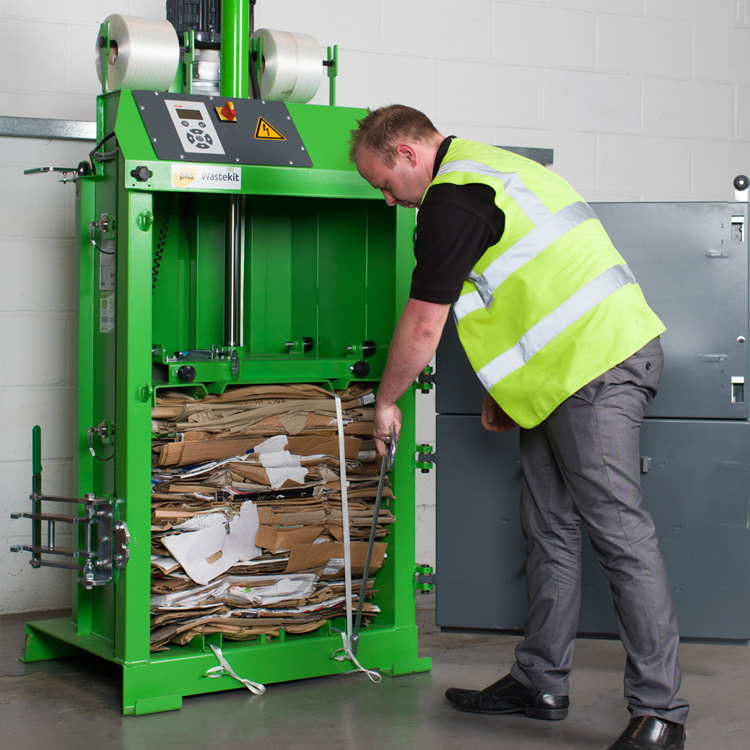
Why is baler maintenance so important?
Good baler maintenance helps keep the machine safe, reliable and productive. It can also extend the life of the equipment and reduce the chance of unexpected stoppages.
That matters for practicality: if a baler goes down, waste can build up quickly, storage space becomes harder to manage, and staff may need to fall back on slower manual workarounds. A regular baler maintenance plan helps reduce that risk by picking up issues before they turn into bigger faults.
What should daily baler maintenance include?
Daily checks don't need to be complicated, but they do need to be consistent. Operators should be confident carrying them out before the machine is used.
A simple daily baler maintenance routine should include:
- Checking wires, ties or strapping materials for wear, damage or poor feed.
- Looking over sensors and controls for anything that appears loose, blocked or unresponsive.
- Checking cylinders and visible hydraulic areas for leaks, damage or unusual residue.
- Making sure guards, doors and emergency stop controls are in place and working properly.
- Looking for loose cables, debris or trip hazards around the machine.
- Listening for unusual noises during operation and reporting them early.
These checks are not a substitute for professional waste equipment servicing, but they are one of the easiest ways to catch problems early rather than waiting for your next review.
What should be checked on a weekly or monthly basis?
Some parts of baler maintenance sit outside the daily routine. These are the checks that help keep the machine performing properly over time.
This should include:
- Reviewing wear on moving parts
- Checking that lubrication points are being followed correctly
- Cleaning around key mechanisms
- Looking at whether the machine is cycling as expected
If performance starts to slow, bales become inconsistent, or minor faults keep returning, that's usually a sign that the machine needs closer attention.
This is also where a structured baler maintenance plan becomes useful. While regular in-house daily checks are still essential, a maintenance plan gives you a clearer schedule. This means there's a specific opportunity to assess your baler in detail, rather than wholly relying on someone noticing an issue when the machine is already under strain.
Why do cleaning and lubrication matter so much?
Cleaning
Cleaning is easy to overlook, but it's important to treat it as part of proper baler maintenance, not a separate task. Dust, paper fragments, plastic residue and general debris can all build up around waste equipment over time. This can make inspections harder, and may interfere with how the machine runs.
Lubrication
Lubrication matters for the same reason. If moving parts are not lubricated in line with the manufacturer’s guidance, wear can increase faster than it should. This doesn't need to be overcomplicated, just keep a consistent routine. Clean equipment is easier to inspect, and properly lubricated equipment is less likely to suffer avoidable wear.
How does operator training support baler maintenance?
Operator training helps staff use the equipment correctly, recognise early warning signs, and know when something needs to be reported. It also reduces misuse, which is often where avoidable faults begin.
Overloading a machine, using the wrong consumables, ignoring warning signs, or operating with damaged guards can all create bigger problems later. That's why baler training supports both safety and reliability. The same applies to compactor service, too. Well-trained operators tend to spot issues earlier and help keep the machine in better condition between engineer visits.
When should you stop using the machine and arrange waste equipment servicing?
Some issues should never be worked around. If the machine has any of the following, it's time to stop and get it checked:
- Visible leaks
- Damaged guards
- Recurring faults
- Electrical concerns
- Slow cycles
- Unusual noises or vibration
This is where professional waste equipment servicing comes in. A qualified engineer can properly diagnose the problem, then carry out repairs safely and help prevent the same issue returning. The same logic applies if you need a compactor service. Waiting too long usually makes the disruption worse, not better.
How can a baler maintenance plan reduce downtime?
A baler maintenance plan gives you a more reliable structure for preventative maintenance, safety checks and servicing support. Instead of reacting to faults after they happen, you're working to reduce the chance of them happening in the first place.
This can be especially useful for busy sites where out-of-use equipment has a direct effect on things like storage space, collection schedules, and additional labour time. If your baler or compactor is an important part of your waste operation, planned servicing is usually the safest and most cost-effective approach.
Baler maintenance doesn't need to be complicated, but it does need to be regular. Daily checks, routine cleaning, correct lubrication, proper operator training and planned servicing all help keep waste equipment safe and dependable.
If you want to reduce breakdowns and keep your machine working reliably, take a look at our maintenance plans, explore our baler training options, or get in touch with us at phs Wastekit to discuss the right servicing support for your site.